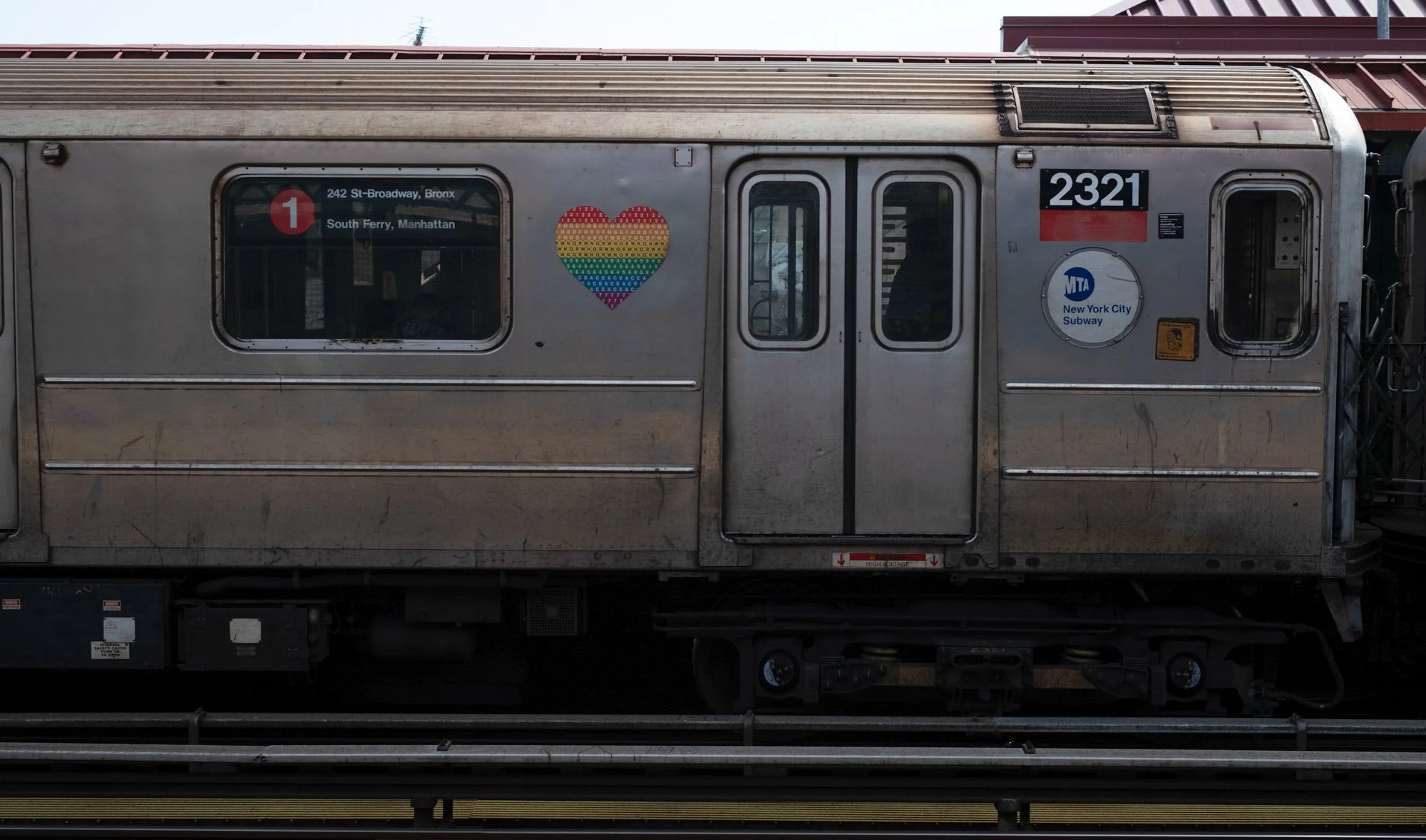
Space Makers: How LGBTQ+ People in The Bronx Find Community
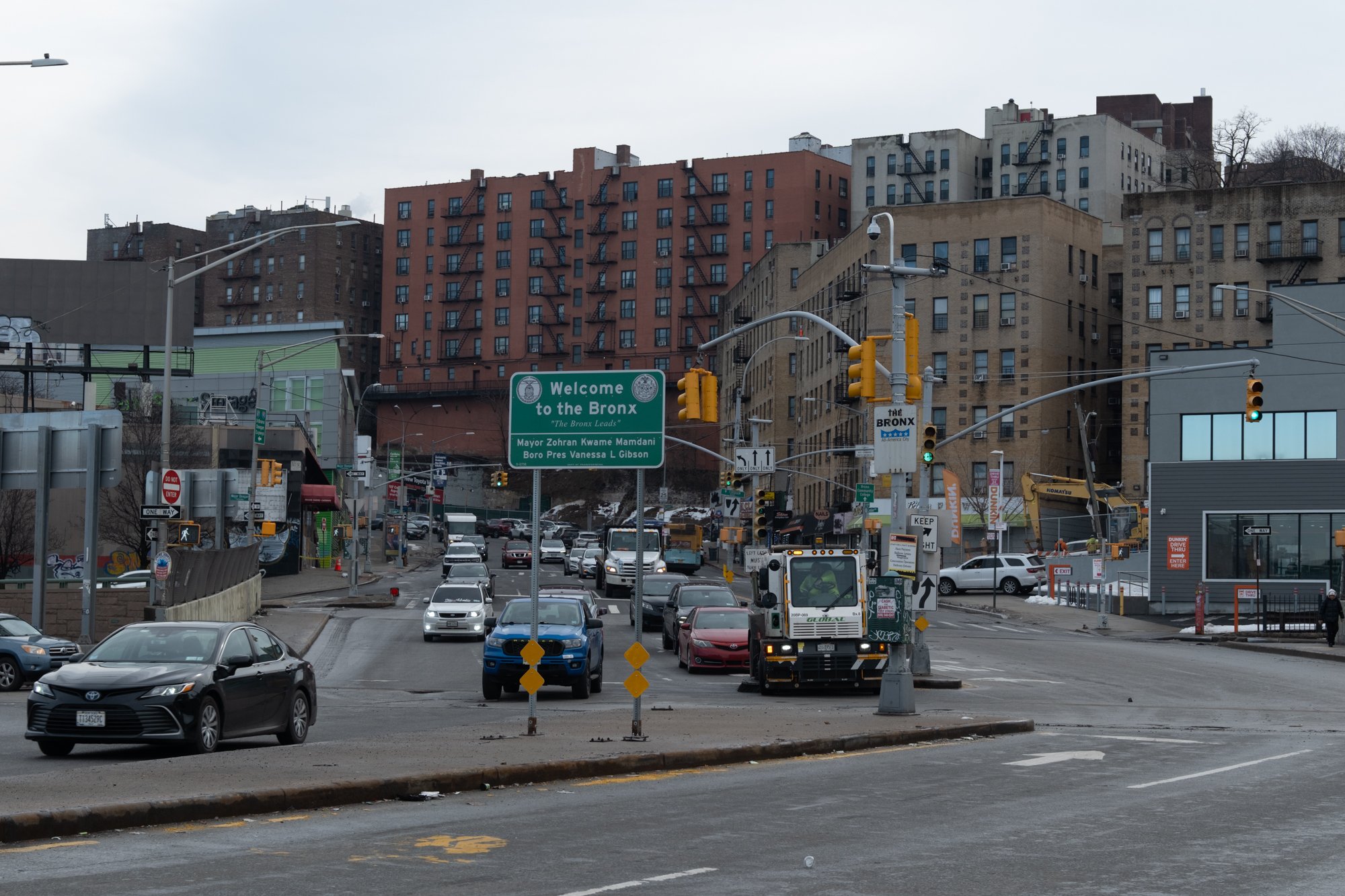
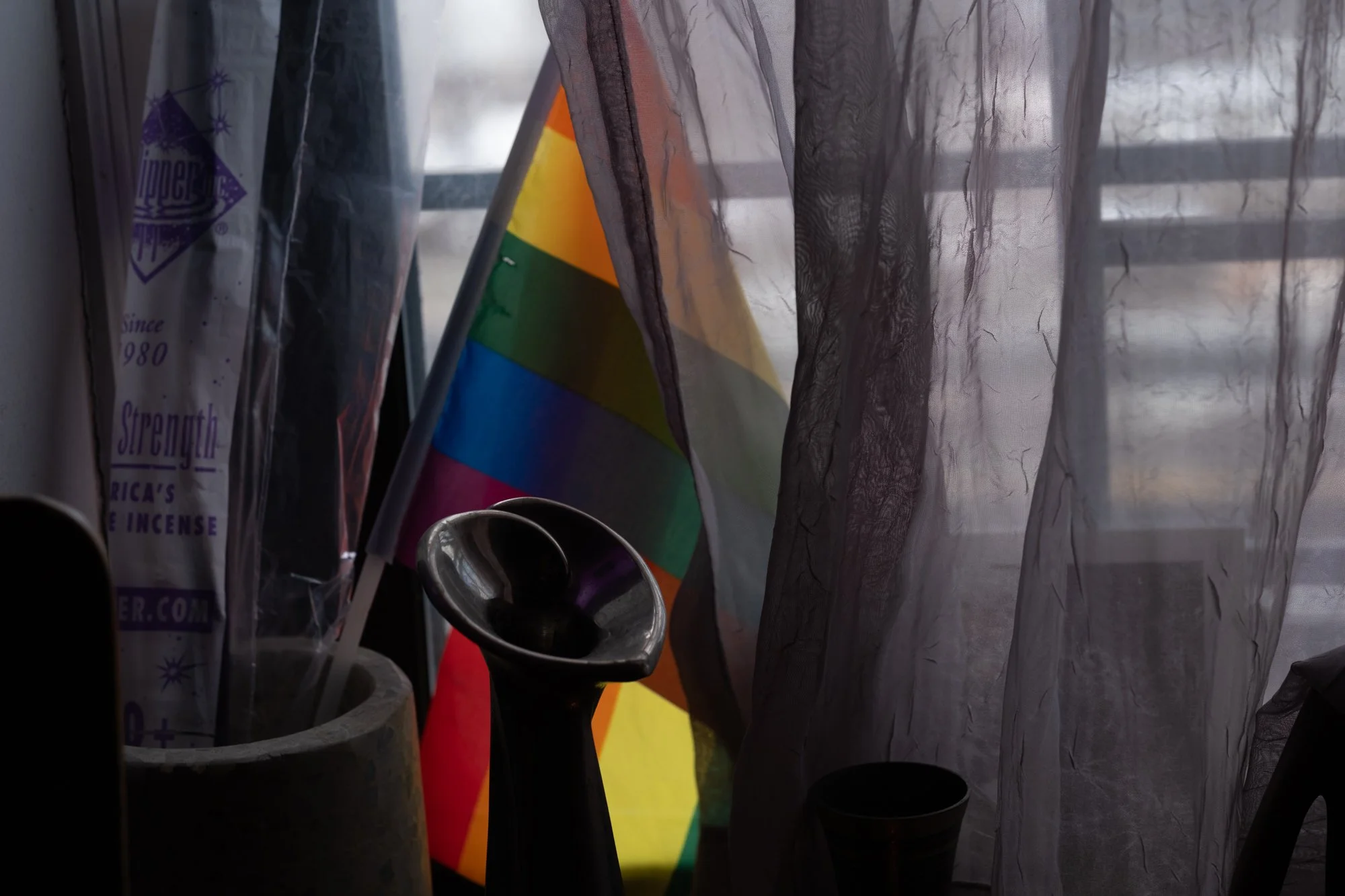
The Bronx has historically lacked queer infrastructure, but not queer people.
Higher incomes, tourism rates, and established “gayborhoods,” exist outside of The Bronx, making it more difficult for third spaces to thrive. Queer spaces in New York City are routinely associated with Manhattan and Brooklyn, and many LGBTQ+ residents of The Bronx do leave the borough to find community.
For more vulnerable populations, resources like Destination Tomorrow provides housing support for victims of domestic and sexual violence, anonymous and free access to syringes, and case managers with gender-affirming surgery information. There’s a lack, however, of social third spaces.
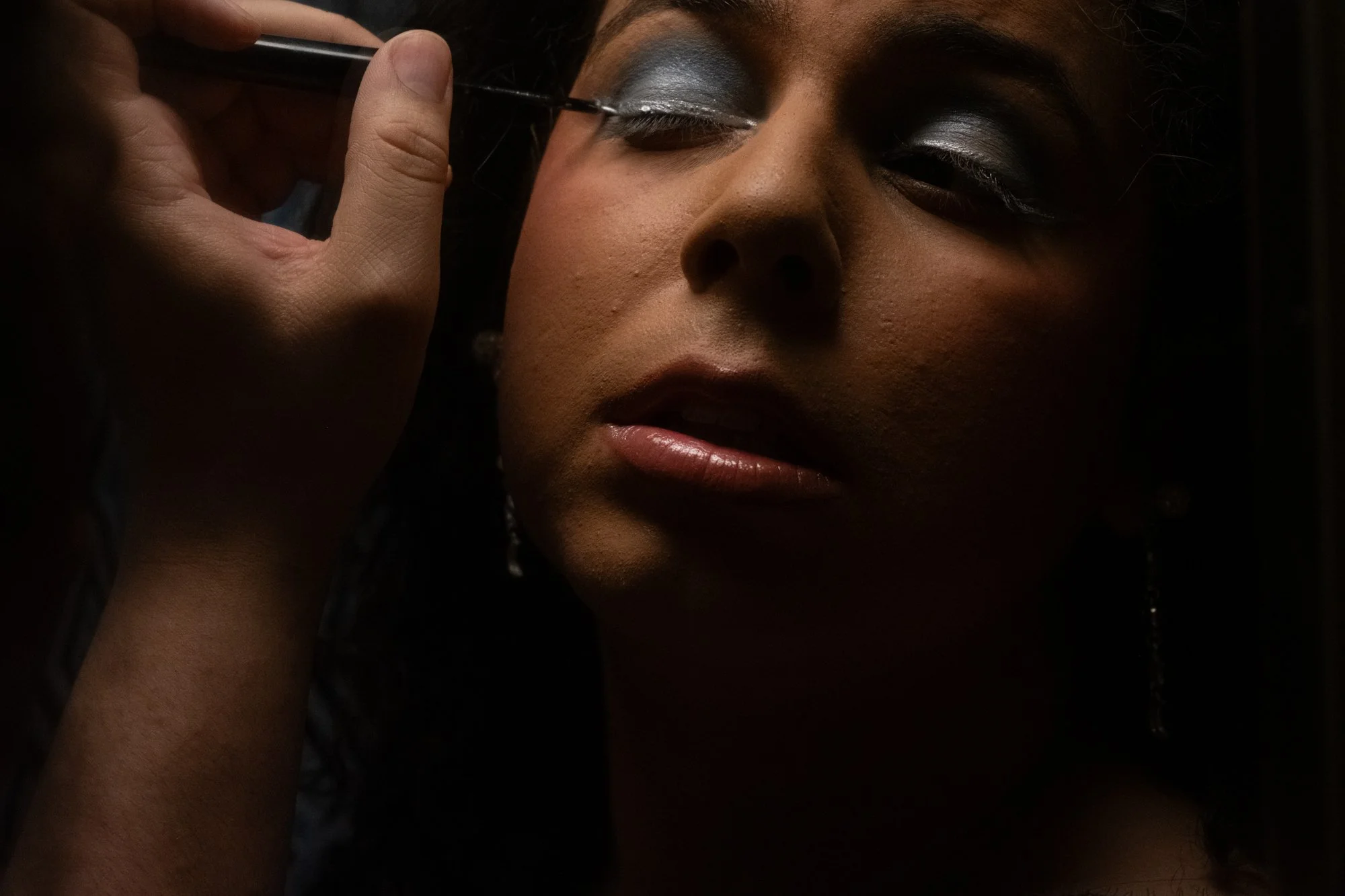
“Most of my queerness wasn’t expressed until I left the borough,” said Jose Velasquez, 26, whose drag name is Isabella Amore. She went to Purchase College, with one reason being to expand her queer network.
For many in the queer community, they continue to feel pride in being from The Bronx and have found a way to allow their identities to feel complementary, rather than conflicting. Rey Quinones, a gay man, has lived in the same Bronx apartment nearly his entire life, as it’s been in his family since the 1970s. Growing up, Quinones doesn’t recall any dedicated spaces for the LGBTQ+ community. He made his own, at home for example, where he and his friends could be themselves.
Bronx business owners face big competition. In large cities, neighborhood bars struggle to compete with nearby bustling “gayborhoods,” like Hell’s Kitchen or the West Village, where there are many queer bar options. Gay bars like Identity, in the Bronx, have closed.
Regarding the lack of queer clubs, Velasquez noted there’s also certain neighborhoods in The Bronx that would feel unsafe to be visibly queer.
“No shade, nobody wants to go to Gun Hill and be gay,” she said. “And vice versa, I go to the gay clubs, but they’re all white.” In predominantly white spaces, as a person of color, Velasquez may feel eyes on them and their friends and an overall different sense of comfortability.
In February, President Donald Trump ordered the removal of the Pride flag from the Stonewall National Monument in New York City. The decision quickly caused outcry from activists and those who viewed it as an attack on the LGBTQ+ community, and the Trump administration later agreed to restore the flag. In this political climate, many find it especially important to not conceal their identity and create and maintain welcoming communities.
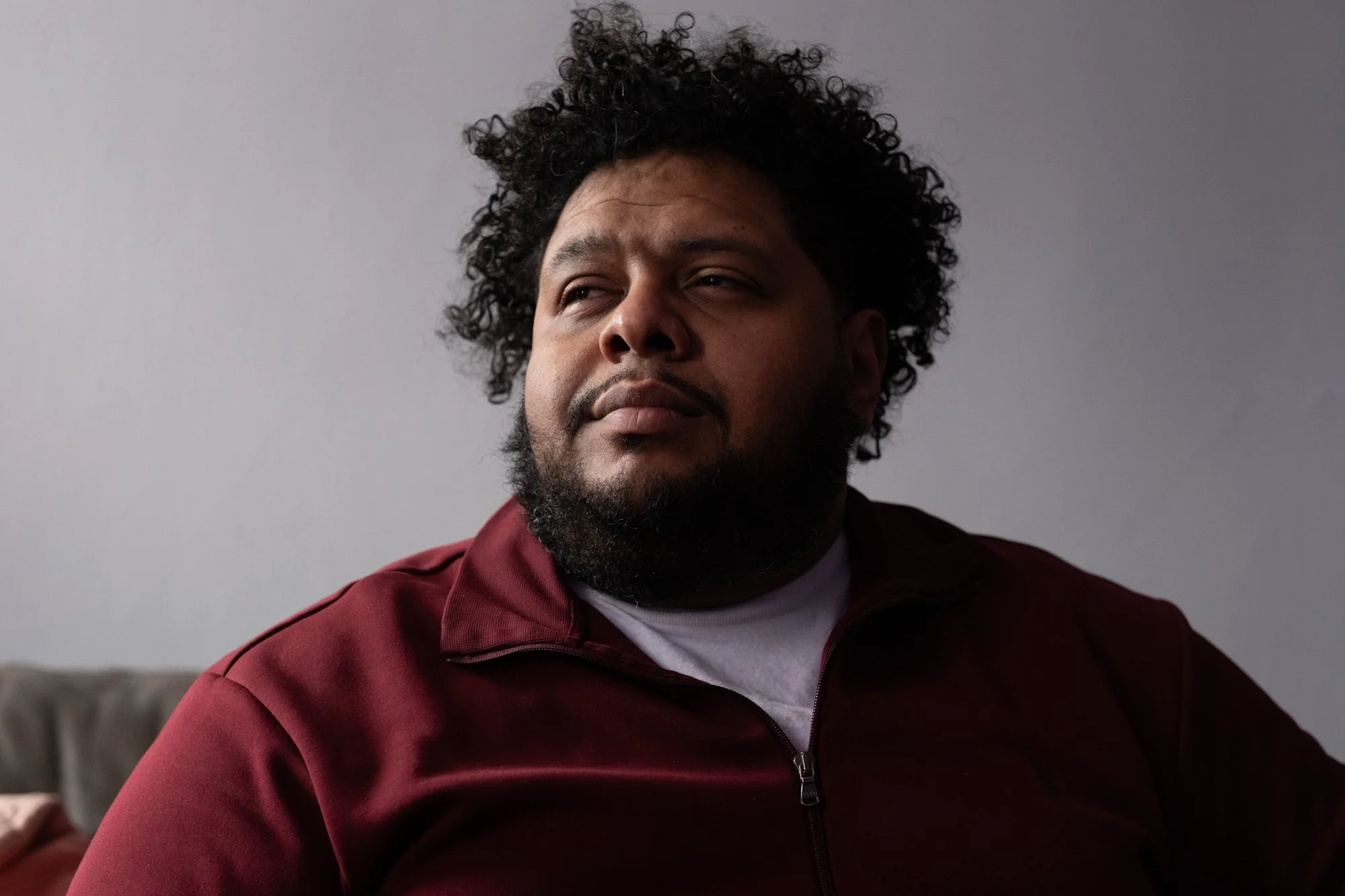
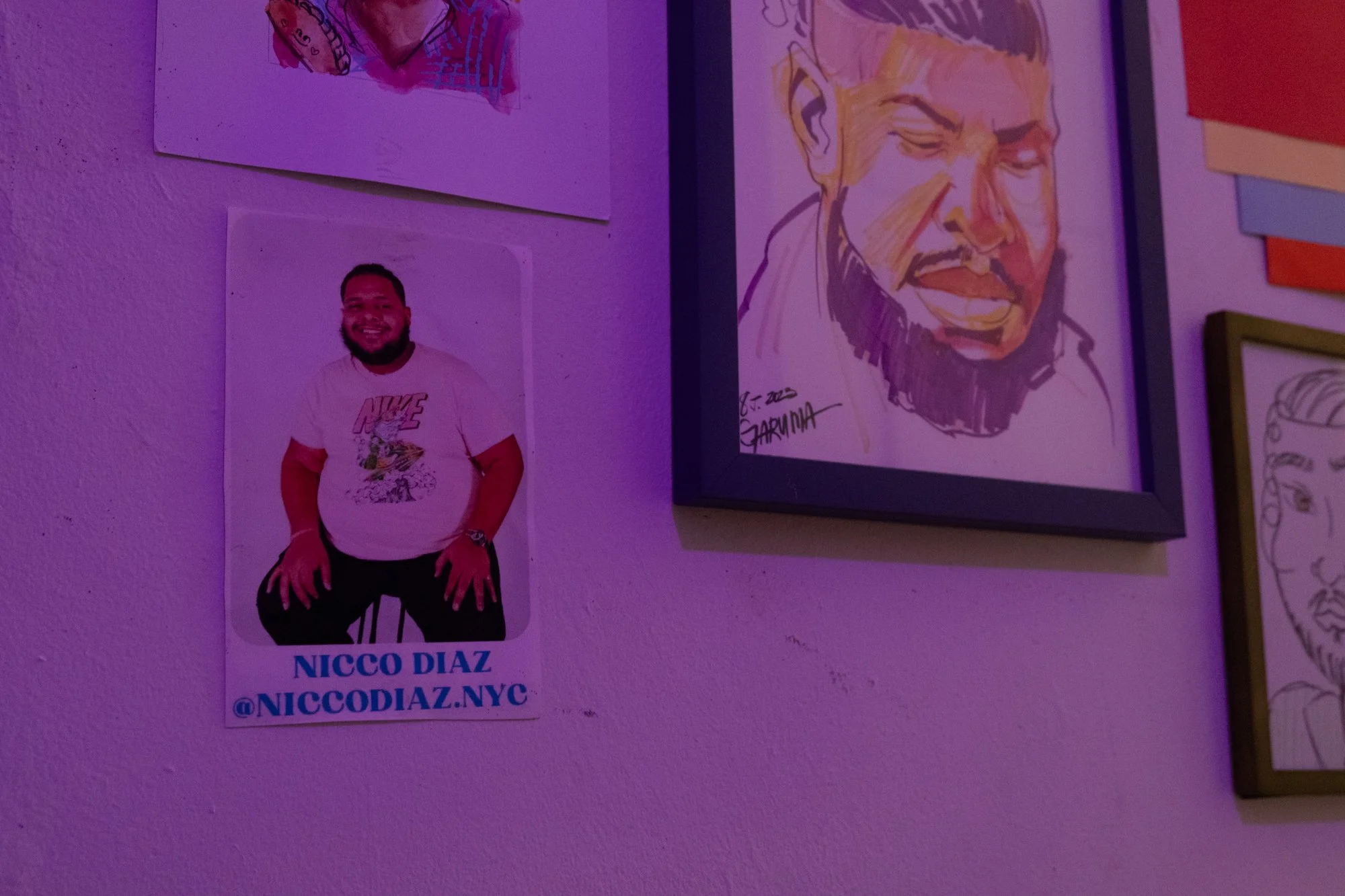
Last year, Nicco Diaz, 37, was Grand Marshal of The Bronx Pride March. At this stage of life, Diaz isn’t afraid of a little conflict.
"I use that desire for conflict to focus on what I can do in my community here and be visible and loud and proud."
Diaz considers himself a spacemaker, aiming to foster spaces where people can comfortably be themselves. Diaz' question as to the lack of queer spaces in the Bronx is: why? Even a single block dedicated to the community would be great, he said.
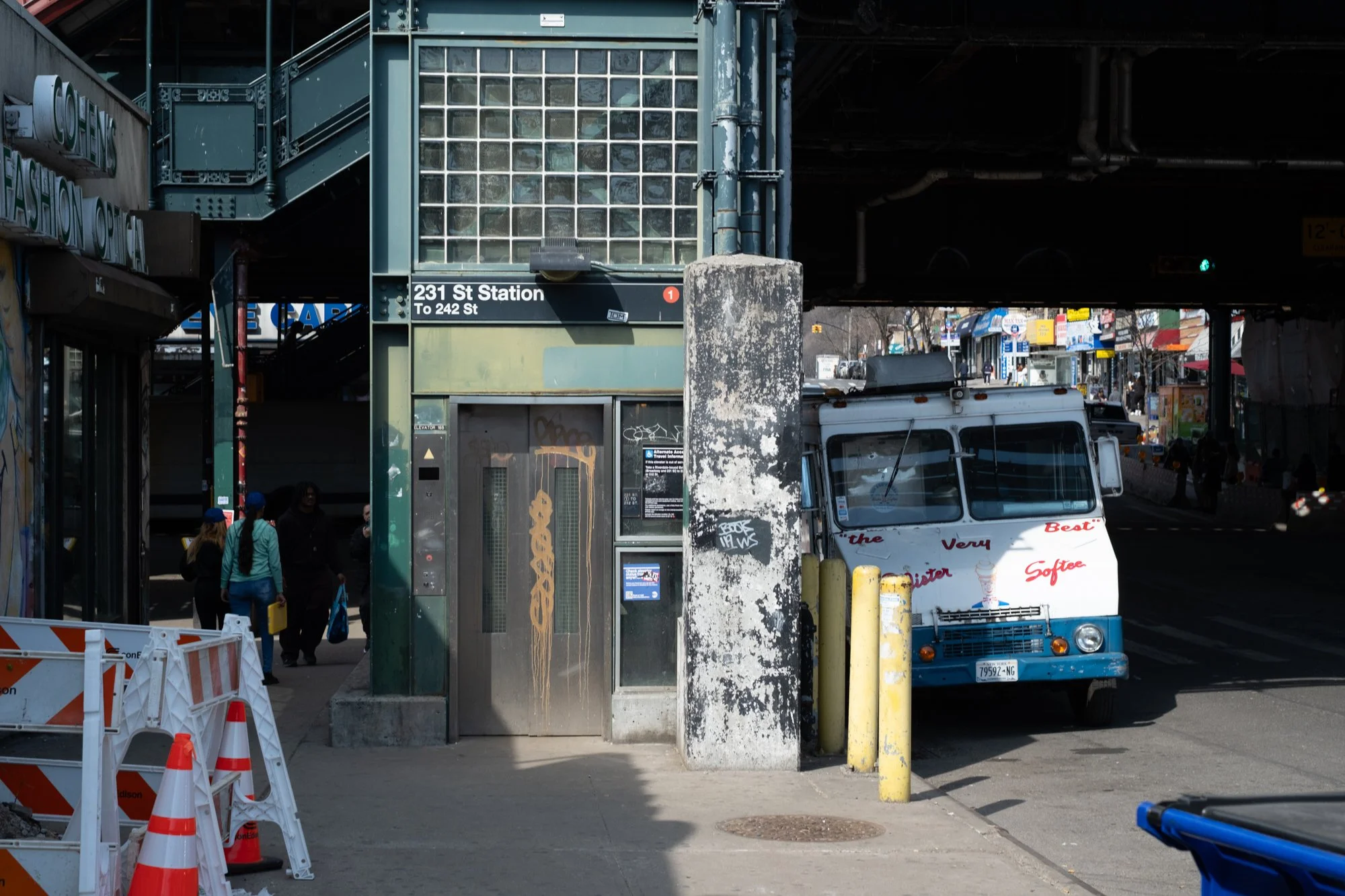
"I have a love hate relationship with the city," Diaz said. "I really try to do everything to represent The Bronx in a positive light with nuance."
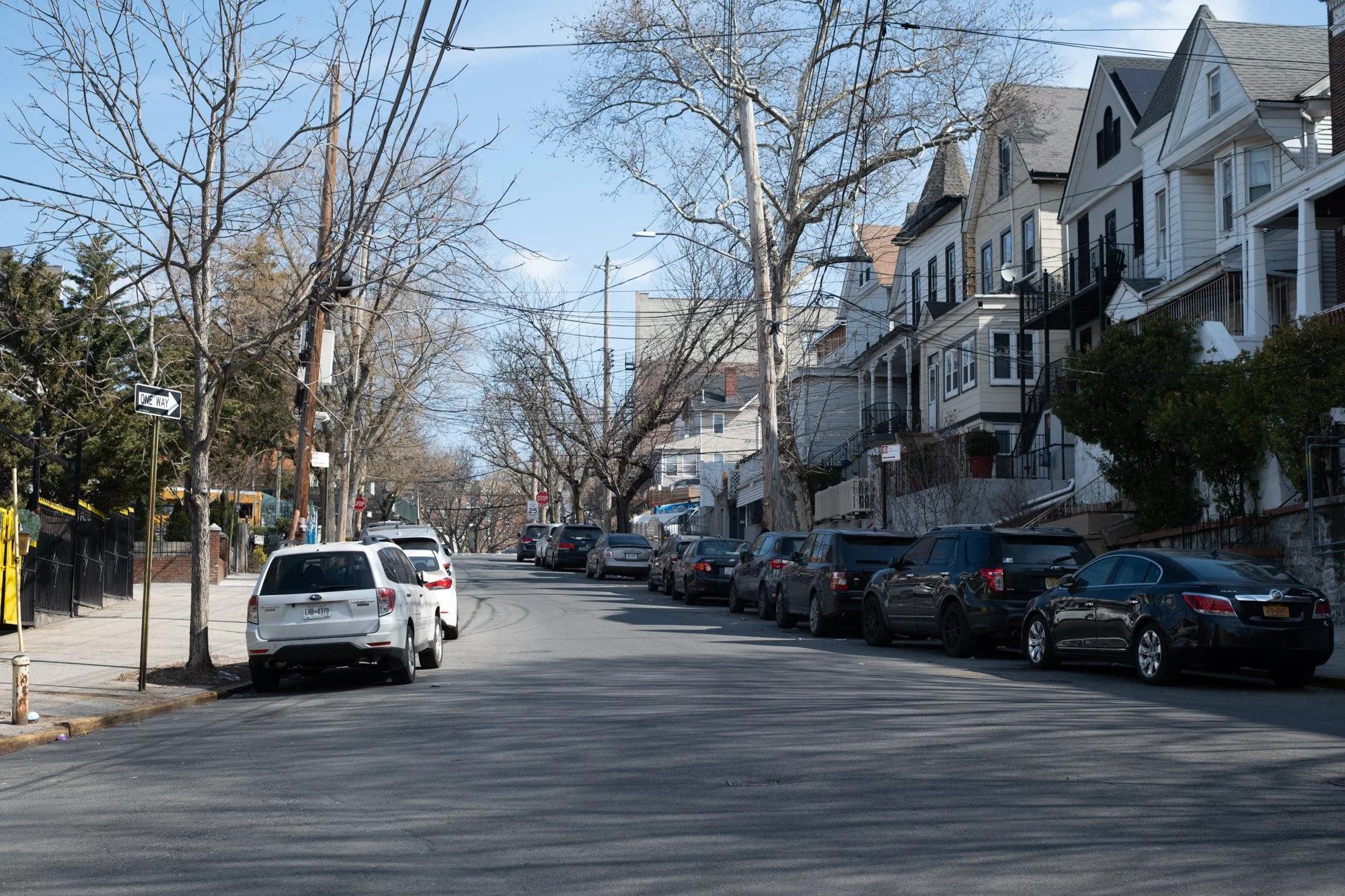
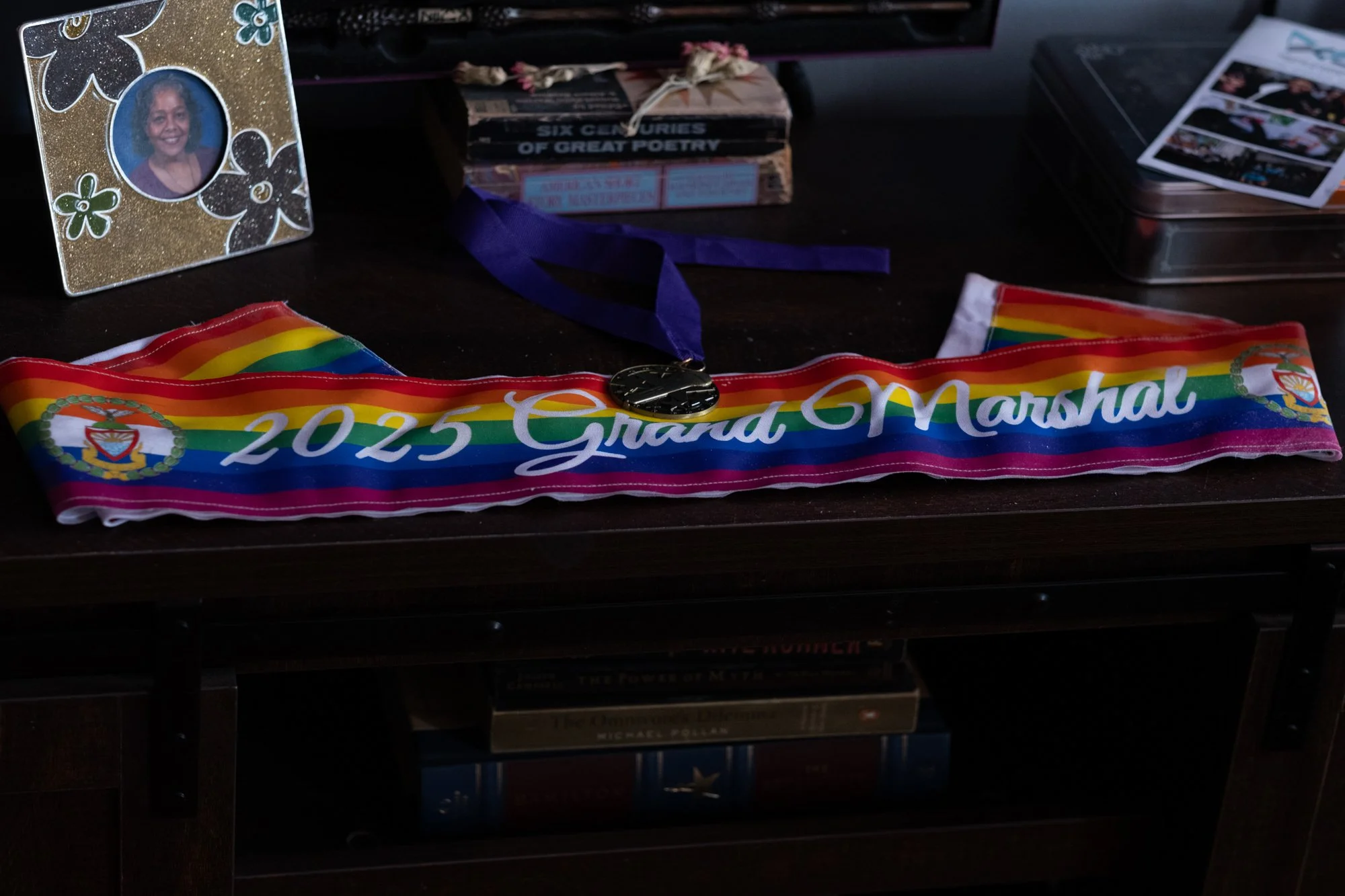
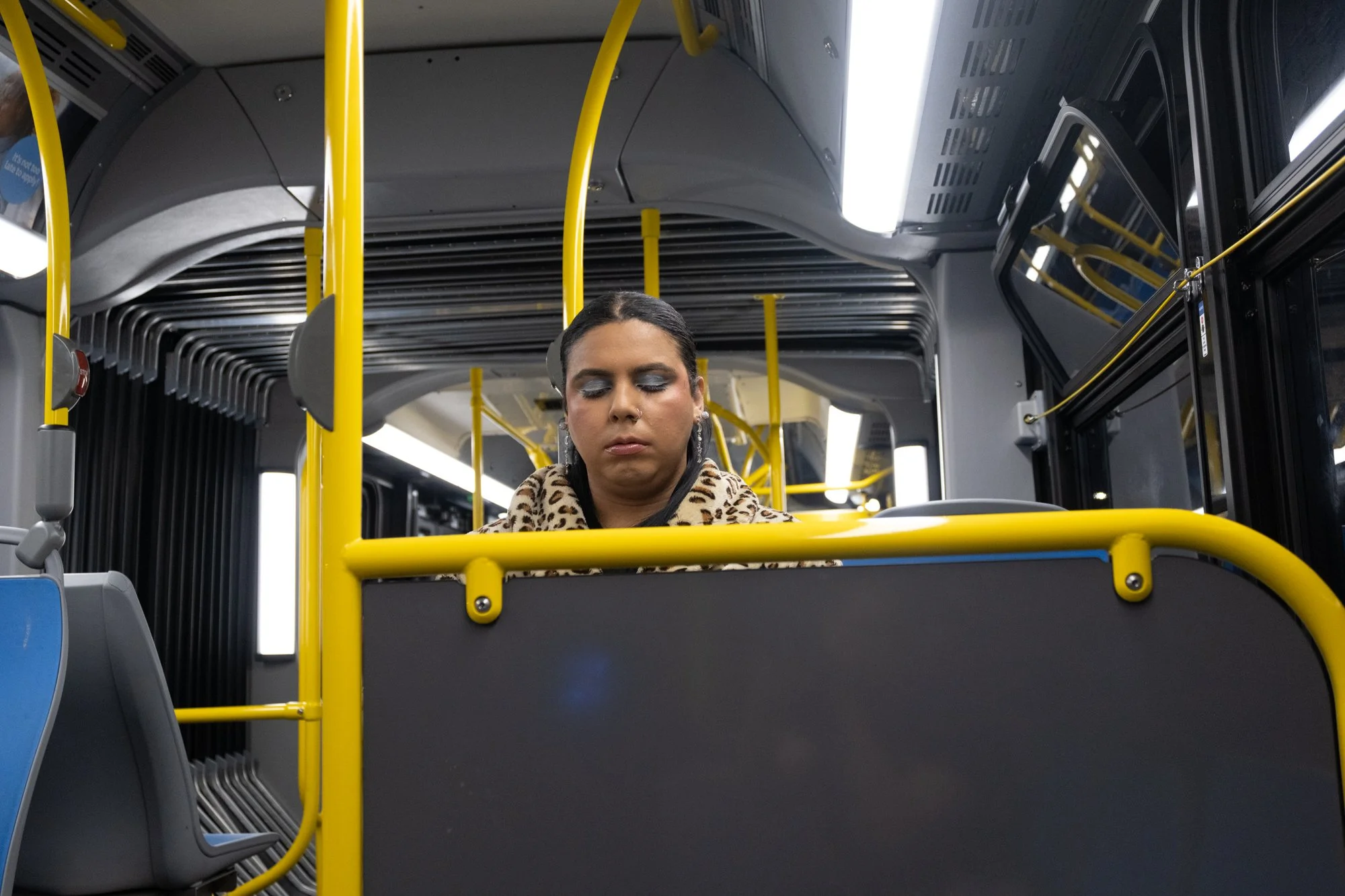
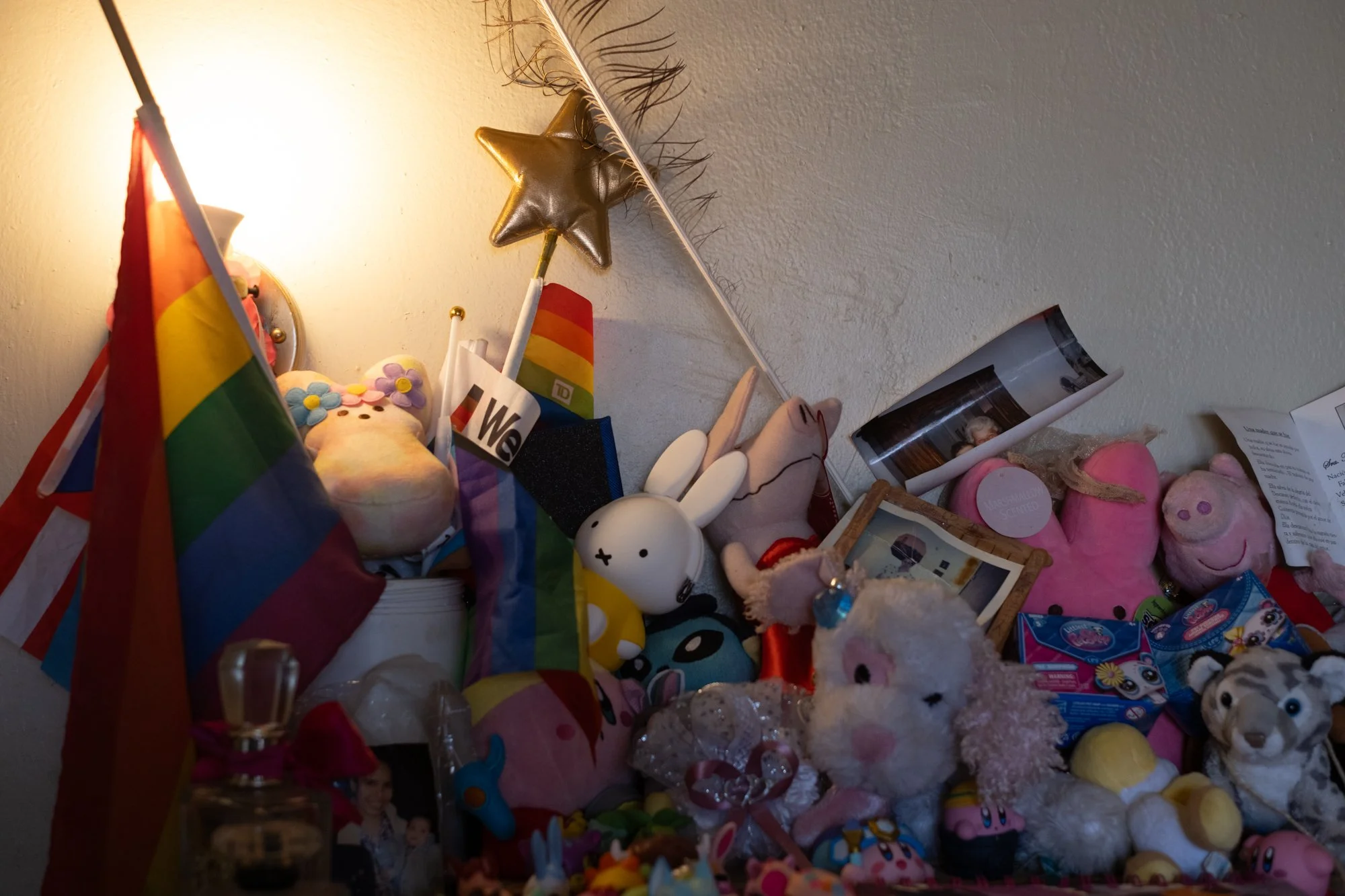
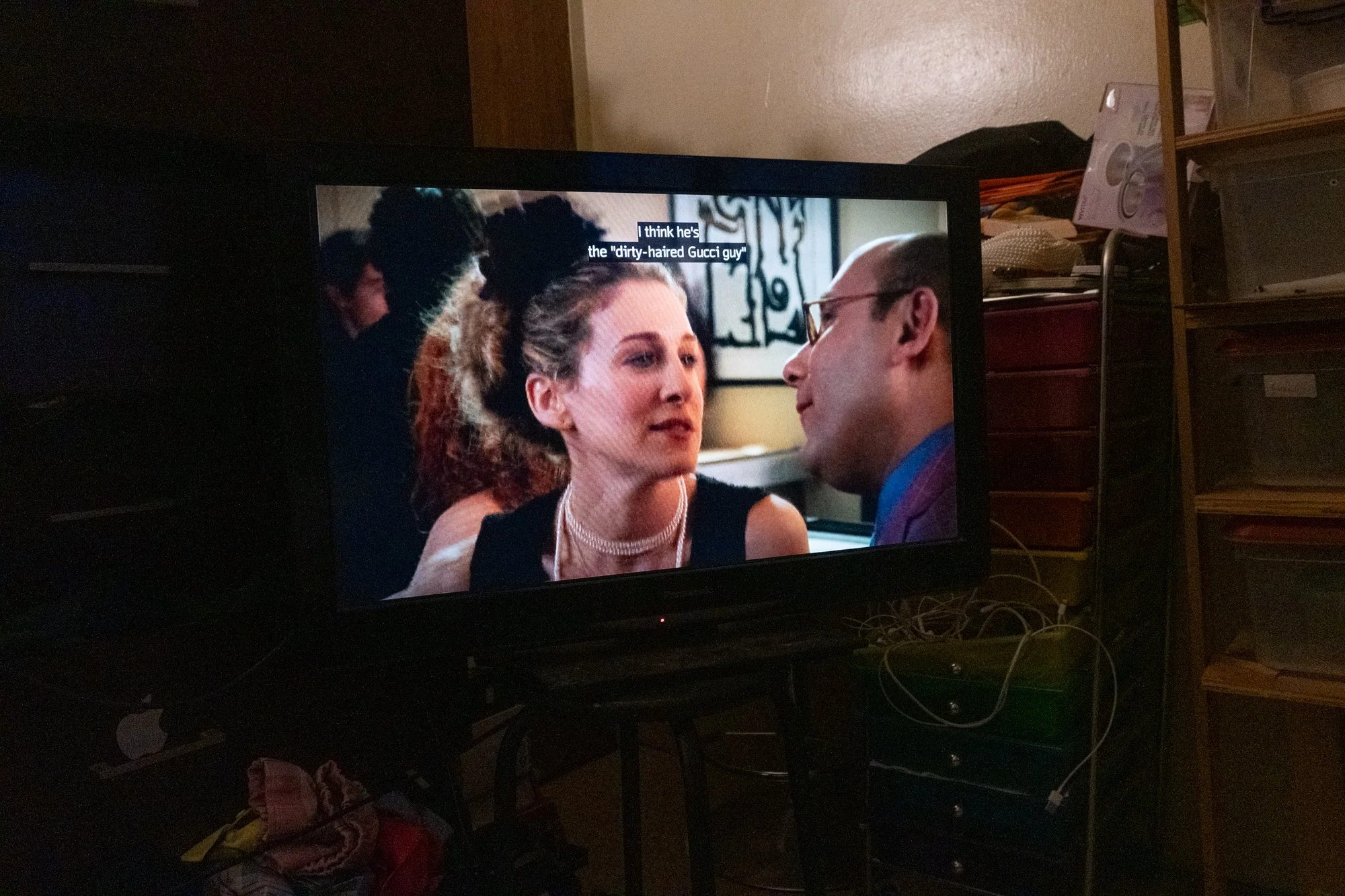
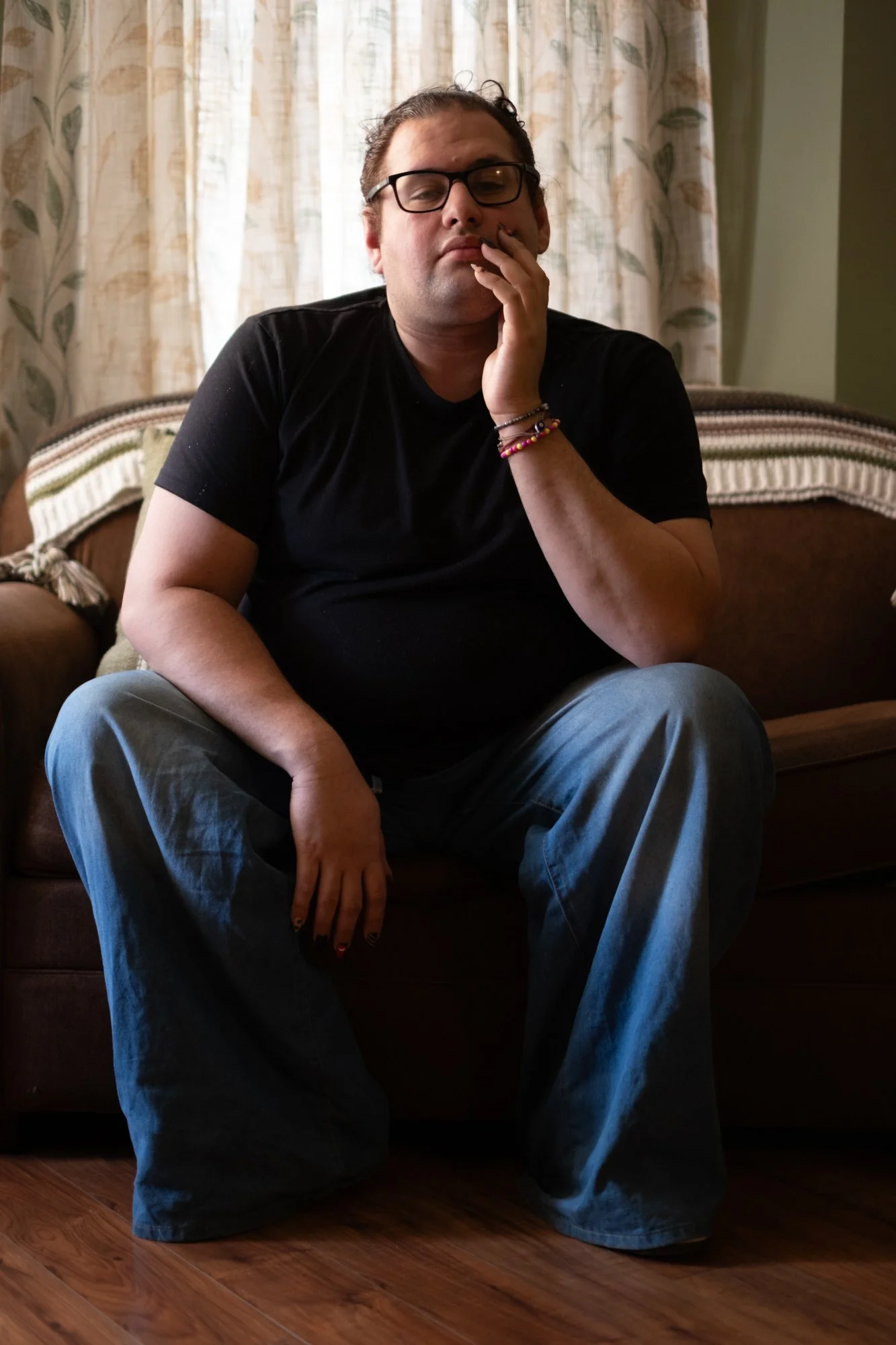
Rey Quinones, a gay man born and raised in The Bronx, has lived in the same Bronx apartment since he was three years old,which has been in his family since the 1970s. Though his queer identity has conflicted at times with living in the area, for instance, knowing that as a gay person he shouldn’t walk down a certain street at all or alone, he cannot see himself living anywhere else. Over time, LGBTQ+ topics have felt more accepted, he said, but still touchy.
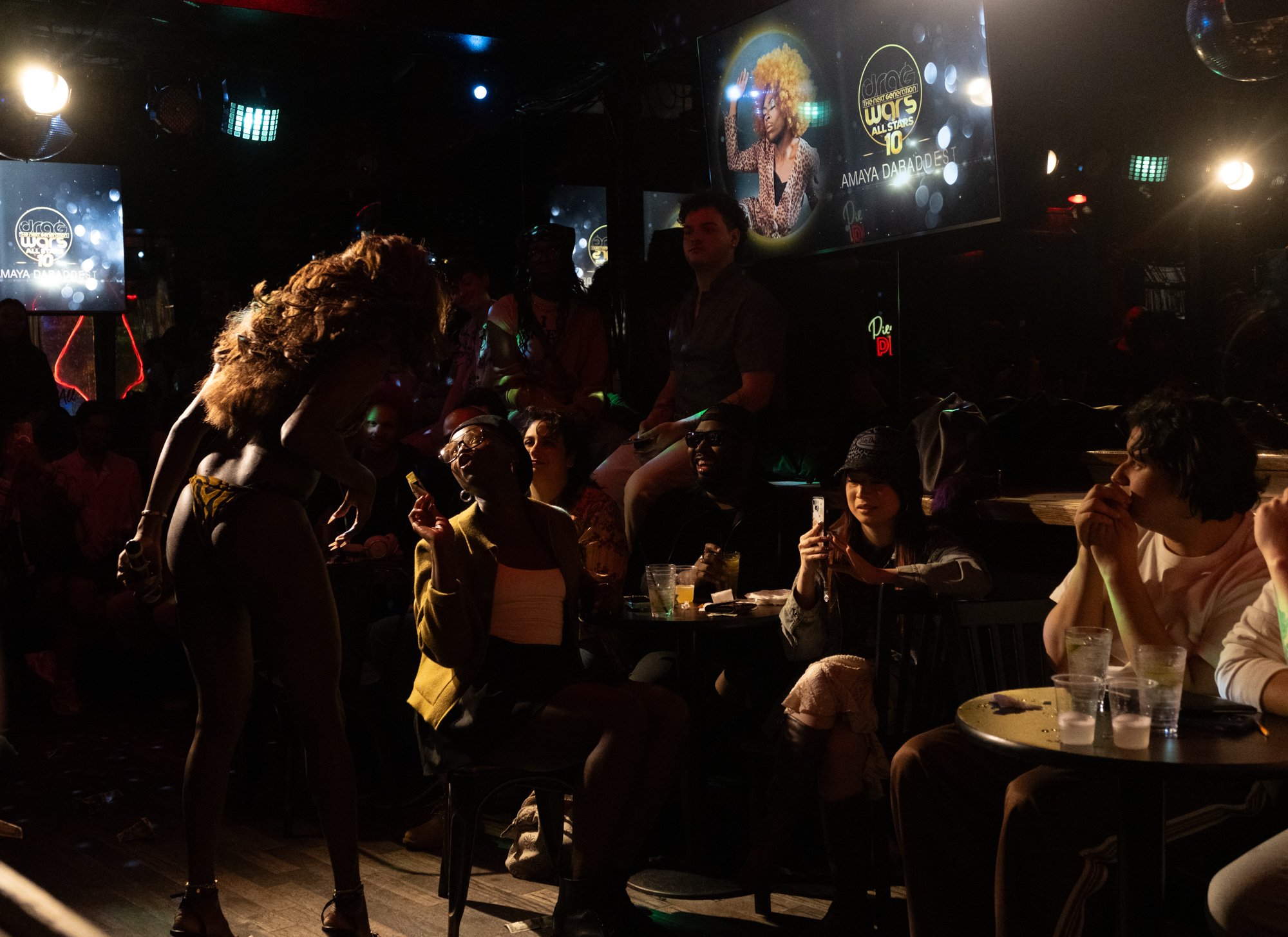
He, along with Diaz and Velasquez emphasized that they’re not changing and that they’ll keep searching for queer community. When it’s not provided, you can create those spaces for yourself, whether it looks like leaving the borough to support a gay bar, Grand Marshaling Pride or hosting friends in your own home.
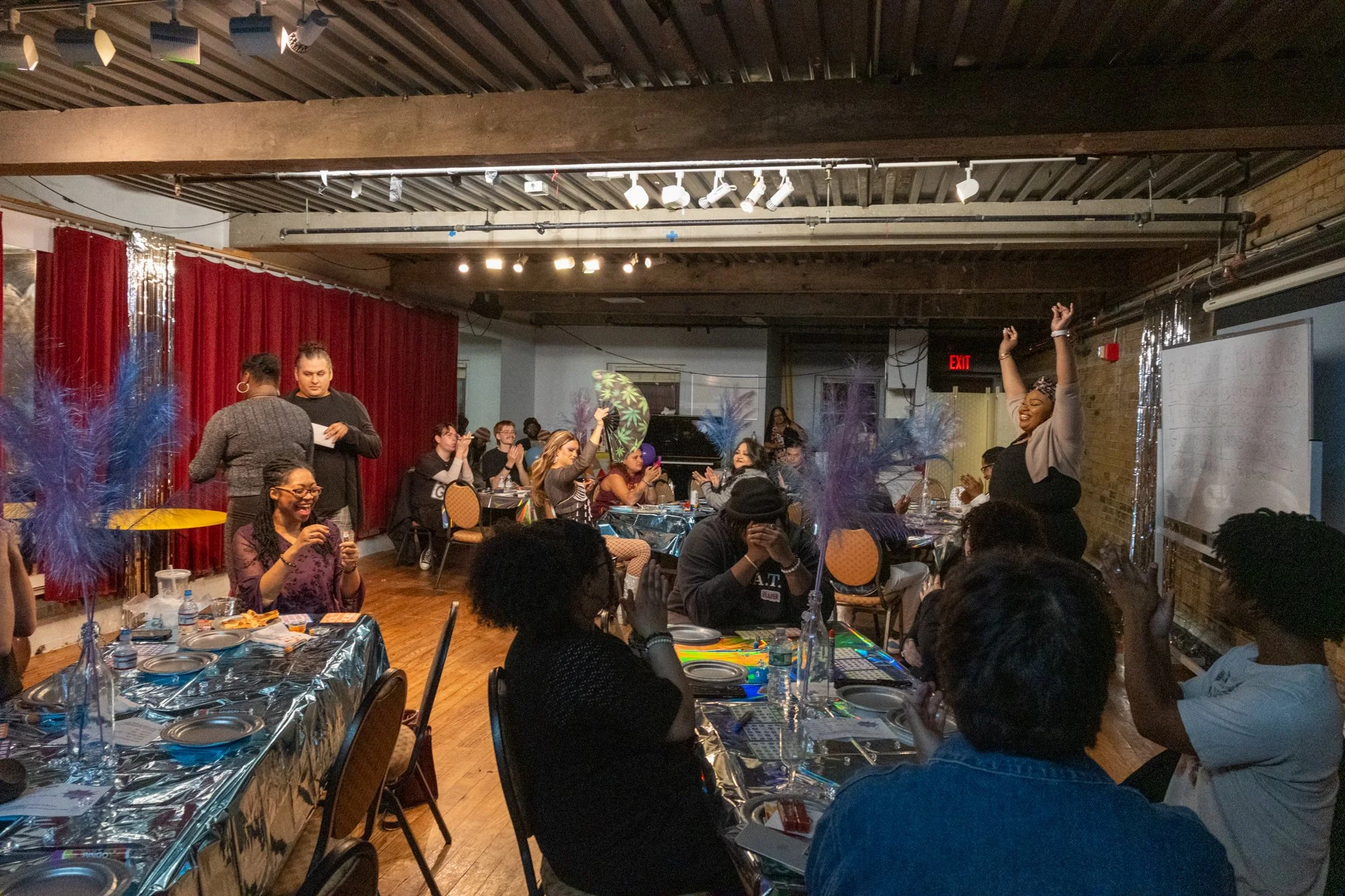
Quinones does, though, find himself helping at The Bronx Academy of Arts and Dance. He helped his friend with a costume design for a performance; Quinones finds BAAD! to be a great place for emerging artists to gather without leaving the borough.
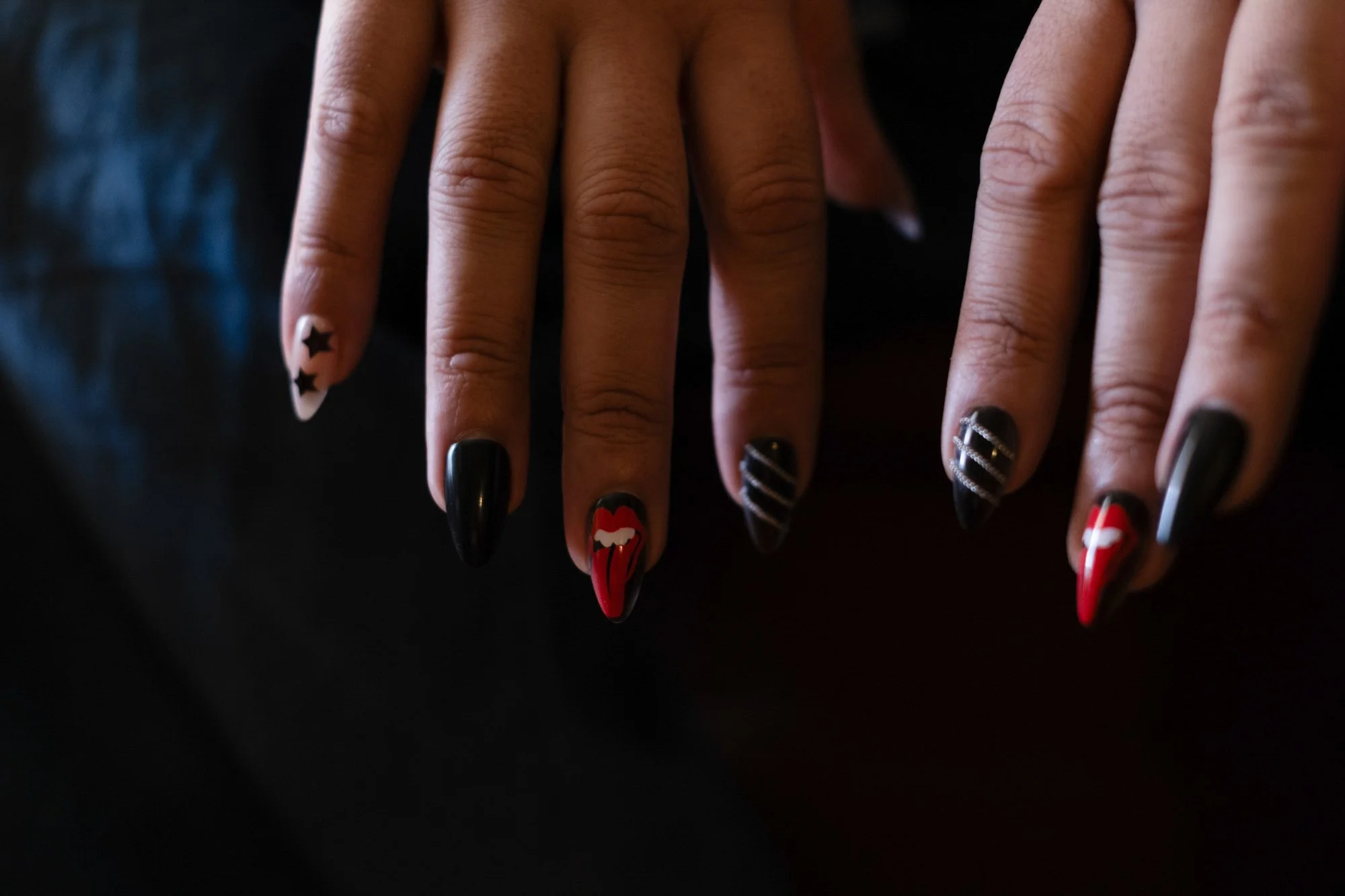
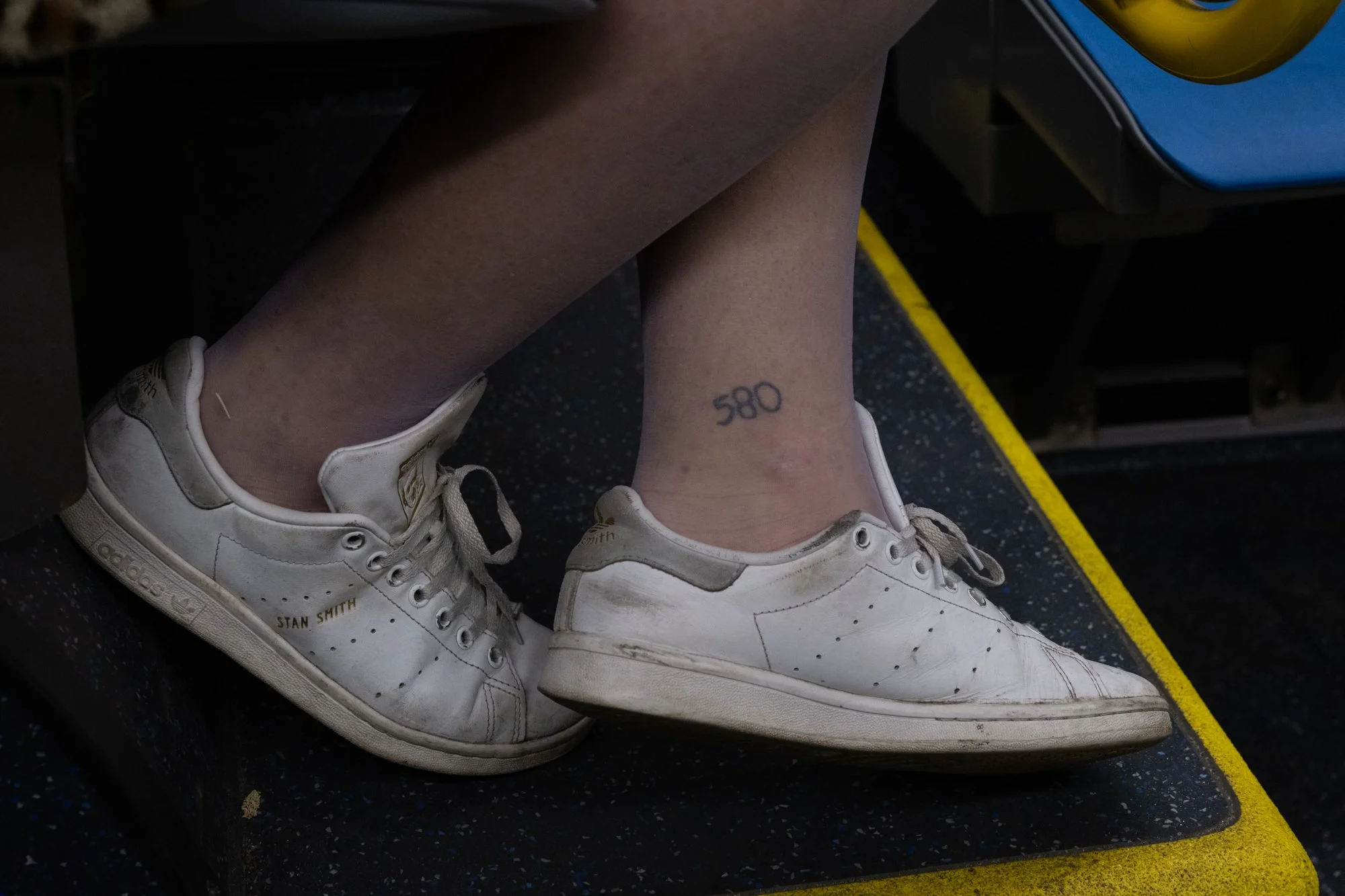
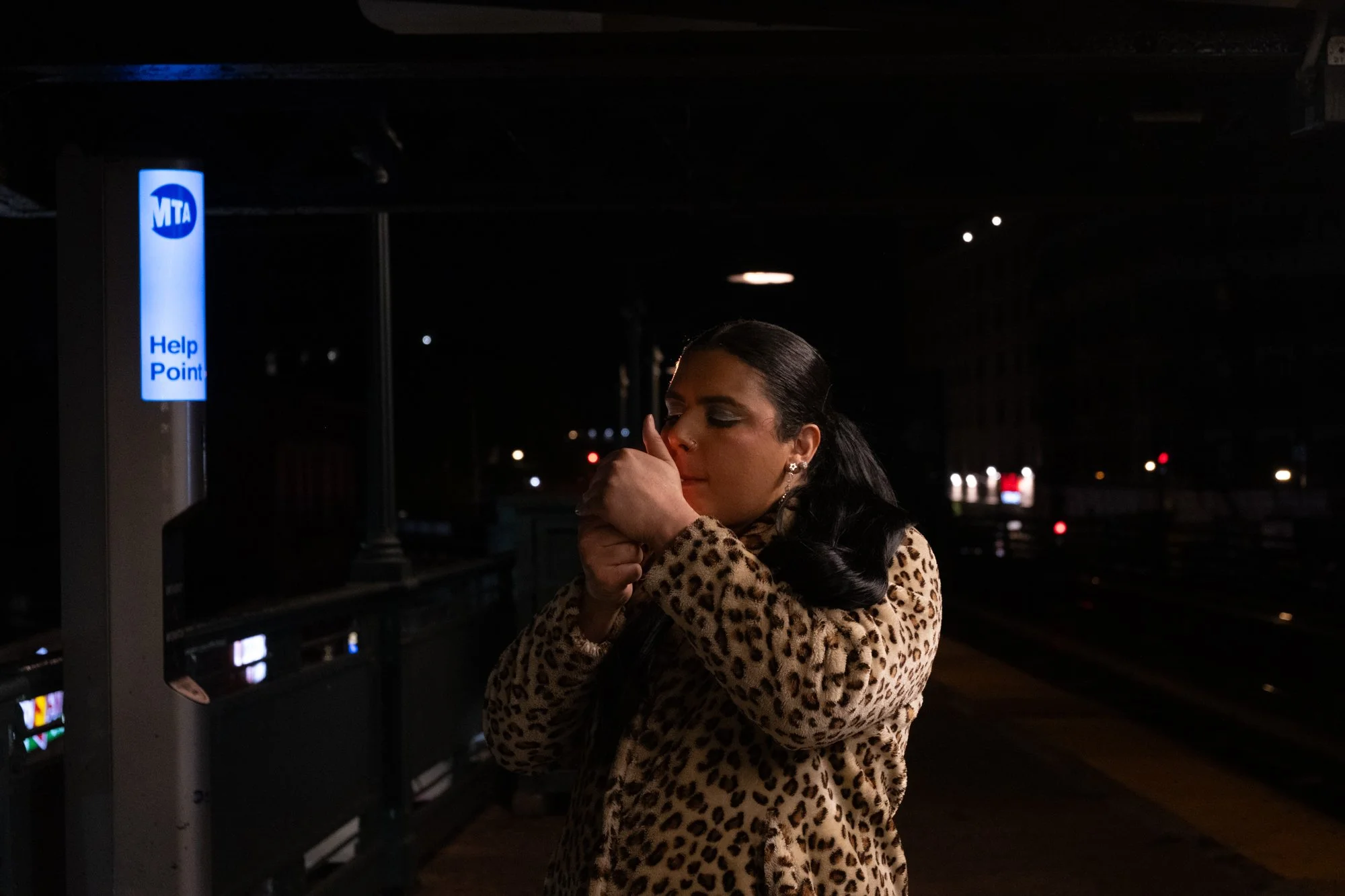
As Velasquez commutes from The Bronx to Manhattan for queer nightlife, her ankle tattoo peaks out, revealing the number 580. Her Bronx apartment address.